



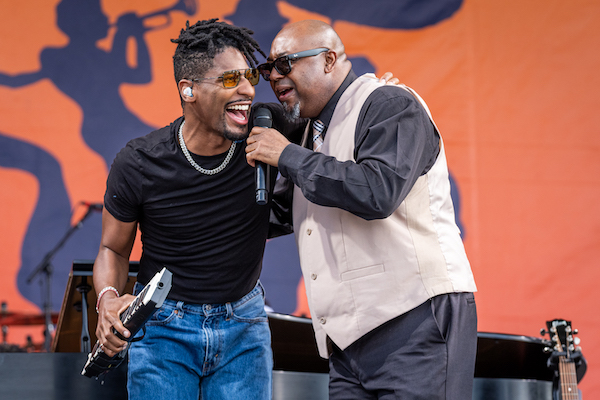
New Orleans Jazz & Heritage Festival 2026
Sometimes it feels as though the world is upside down. Usually, you can count on the New Orleans Jazz & Heritage Festival, better known simply as Jazz Fest, to set things right again. This year, though, the real world nearly cast a shadow over the celebration before it even began. On the morning of opening day, news broke that a gunman traveling toward New Orleans with plans for a mass shooting had been apprehended before reaching the city. Even knowing the threat had been stopped, the thought of violence targeting a place built around music, culture, and joy, weighed heavily over the first day. Still, Jazz Fest has always represented resilience as much as revelry. At its core, the festival remains a celebration of life, and once the music started, that spirit ultimately won.
For anyone who loves live music, few experiences compare to the beauty that unfolds each spring at the Fair Grounds. The 2026 edition delivered exactly what has made Jazz Fest legendary for decades, nonstop music, the celebration of the culture of Louisiana, unforgettable food, and even the local weather. Fortunately the heat and humidity weren’t too oppressive but two days of music were shortened due to the rain. The infamous mud never really became a problem due to the local drought. None of it slowed the energy of the crowd. Nearly half a million people packed the Fair Grounds across both weekends.
Trying to recap even a single day at Jazz Fest is close to impossible. With 14 stages and tents operating simultaneously, every decision means missing something else. Some fans obsess over planning an elaborate schedule before eventually abandoning any serious plan altogether. The best moments usually happen by following whatever sound drifts through the air.
And the music itself? Nothing else in America offers this kind of range in one place. Across eight days there are hundreds of performances touching every corner of American roots music and beyond. A strength of Jazz Fest remains its refusal to separate genres into neat categories. Traditional jazz exists comfortably beside hip-hop, reggae, gospel, funk, blues, folk, and brass band music.
What makes Jazz Fest truly unique is how naturally all of these styles coexist. Within minutes, you could move from the heavy bass of Big Freedia’s bounce to the timeless jazz vocals of Raye, before ending the day with Tyler Childers, Teddy Swims, or Nas. Throw in performances from Mardi Gras Indian tribes, Mavis Staples, Jason Isbell, or countless brass bands, and the result becomes a true musical gumbo unique to New Orleans.
The festival’s most memorable moments come from performances that could only exist in New Orleans. One example was Tyler Childers and his backing band, The Food Stamps, delivering a standout performance despite the steady rain. Childers, sporting a shirt featuring New Orleans piano legend James Booker, seemed especially energized to be playing in the city, feeding off both the weather and the crowd. Another standout came from Tab Benoit, who I hadn’t seen perform in several years, as he lit up the Blues Tent with a scorching set that served as a reminder of why he’s still one of Louisiana’s most beloved musicians. For the encore, a rarity at Jazz Fest, where strict schedules usually prevent them, Benoit brought both his mother and son onstage. His son joined in on guitar while his mom kept time on tambourine, turning the closing moments into a heartfelt family celebration.
Meanwhile, Samantha Fish and Sue Foley ripped through sets that made the genre’s outdated gatekeeping look laughable. If anyone still thinks the blues belongs to “bluesmen,” these two blew that fantasy to dust. Another deeply moving moment came from Rhiannon Giddens’ performance of “We Could Fly” which imagines freedom beyond the limits imposed by slavery and oppression. The song draws on historical accounts and oral traditions of enslaved people, flying back to Africa, escaping bondage in a spiritual sense.
The brass heavy energy of groups like Rebirth Brass Band, Midnite Disturbers, and Pinstripe Brass Band once again turned the Fair Grounds into a rolling wave of sound, with horns blaring and second-line rhythms pulling crowds into motion. Their sets felt less like stage performances and more like street parades transplanted into the festival, full of call and response energy and spontaneous dancing.
Alongside them, Mardi Gras Indian tribes added a different but equally powerful layer of tradition, arriving in hand-sewn, feathered suits, performing chants and rhythms rooted in the community. Their presence carried deep weight that stood out as one of the festival’s most commanding cultural moments.
By the final Sunday of the festival, it felt like the last stretch of a marathon, seven days of music, food, and dancing finally winding down. Fittingly, the closing celebration belonged to New Orleans’ own Trombone Shorty and Orleans Avenue, who turned the Fair Grounds into one massive neighborhood block party. The band ripped through a high energy set, feeding off the crowd’s remaining energy. By the time they charged through “Hurricane Season” and “Do Me,” both the audience and band had emptied the tank completely. It was a fitting finale for a festival rooted in connection, culture, and the unmistakable spirit of New Orleans.
The New Orleans Jazz & Heritage Festival wasn’t simply another festival weekend. It was a reminder that even when the outside world feels uncertain, music still has the power to bring people together, lift spirits, and remind everyone what celebration truly looks like in New Orleans. Year after year, it remains my favorite festival anywhere, not just because of the music, but because nowhere else captures the spirit of community, culture, and joy quite like Jazz Fest. I already know I’ll be back at the Fair Grounds next year, and if you’ve never experienced it for yourself, you should be there too.
Jazz Fest 2027 will be taking place April 22 through May 02. Follow the Jazz Fest website for any future updates: https://www.nojazzfest.com
Enjoy some of our previous coverage here: Show Review: New Orleans Jazz and Heritage Festival 2025