


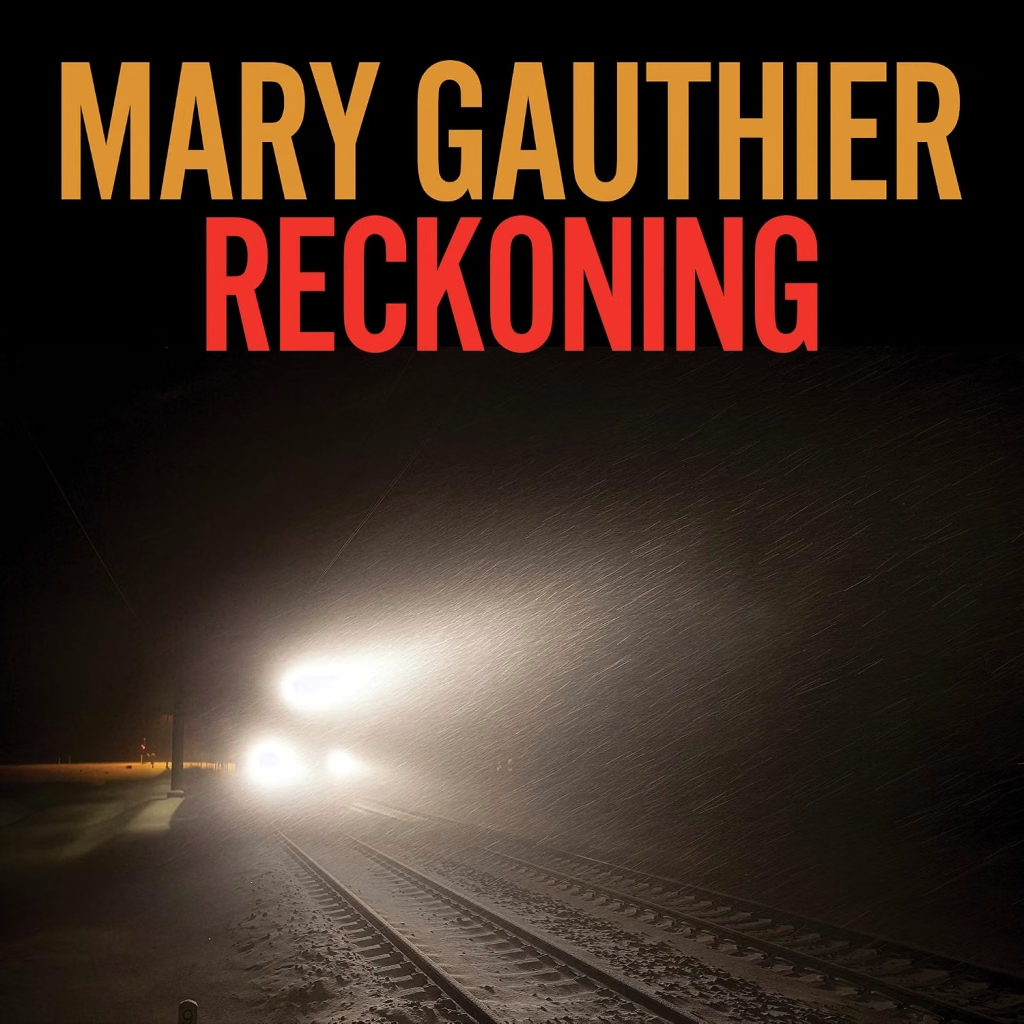
Nashville-based singer, songwriter, and guitarist Mary Gauthier doesn’t make records often. The newly released Reckoning is her first since 2022’s Dark Enough to See the Stars, which was her first since 2018’s Rifles & Rosary Beads. Like its predecessors, the new one was worth the wait.
Gauthier’s arresting vocals, which are front and center throughout the new set, are accompanied mostly just by her own acoustic guitar; the only other musicians are a second harmonica player on one track and a viola player on another. Co-producer Neilson Hubbard says he “followed Mary’s lead, drawing inspiration from Springsteen’s Nebraska,” and the music reflects that.
So do Gauthier’s lyrics, which, like those on Nebraska, address topical themes without platitudes and often via the life stories of individuals. There’s lots of darkness here, but you get the sense that the singer would agree with the oft-quoted line about how “the arc of the moral universe is long, but it bends toward justice.” In the title cut, which Gauthier wrote with singer/songwriter Aaron Lee Tasjan, she sings, “A mighty storm is raging, but every storm comes to an end / You can shut down all the borders, you can hide inside your skin / But the reckoning’s a river, and the river’s rolling in.”
Another standout, which Gauthier wrote with Vince Gill, is “Some Times.” The song describes American history through the eyes of a retired railroad worker who recalls, “They shot JFK and Bobby, and Martin Luther King / These days guns are everywhere, Lord, they’re shooting everything / I saw my first black president / Made me so proud I cried / I saw the insurrection, I can’t say I was surprised.”
This is a courageous and powerful album from an important artist at the peak of her powers.

Also Noteworthy
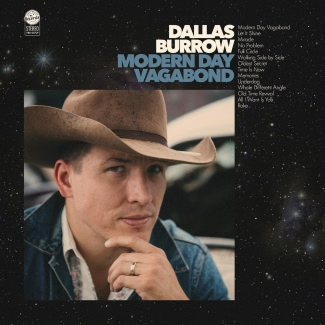

Dallas Burrow, Modern Day Vagabond. Texas-based singer/songwriter Dallas Burrow, who hit a home run with last year’s How the West Was Won, is back with another gem. His vocal work is as compelling as ever, and this time around, he complements it with guest spots on many tracks by singers such as Kelly Willis and Susan Gibson. Burrow’s first-rate band features co-producers Mike McClure on acoustic guitar and Adam Odor on bass; Asleep at the Wheel’s Katie Shore plays fiddle, and other accompanists add accordion, trumpet, organ, and more.
The set includes material from two of Burrow’s biggest influences: his father, Mike, who wrote “Memories,” and the late Townes Van Zandt, whose “Rake” ends the program. Burrow composed (or, in one case, co-wrote) the remaining 12 tracks and says, “I’m pulling from my own life experience. I’m writing about heartbreak, love and loss, family, defining success on my own terms, as well as larger social themes…all told through the eyes of the proverbial wandering troubadour.”
In the title cut, he describes setting out to be a musician, and, in “Full Circle,” the album’s most memorable track, he talks about his early struggles and says that his late high school football coach—to whom the album is dedicated—came to him in a dream after he died and said, “Get up, boy, do something with your life.” As Burrow confides in the song, “I have tried to learn from my mistakes, I caught me a few good breaks…met a lady, had a baby.” He did indeed. And that dreamed-of football coach would be pleased: by making albums like this, Burrow is most certainly doing something with his life.

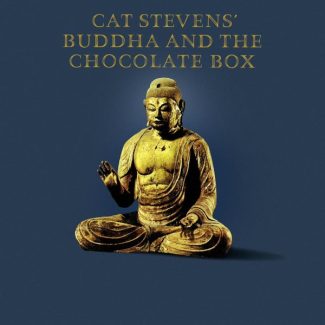
Cat Stevens, Buddha and the Chocolate Box. The Cat Stevens reissue program continues with a remastered version of his eighth studio album, which first appeared in 1974. The LP was touted at the time as a return to form following 1973’s critically panned Foreigner, which includes an 18-minute suite, complex arrangements, and little that could be called pure folk.
The change isn’t dramatic, however. Granted, the songs on Buddha are all short, and Stevens puts more emphasis on acoustic instruments than he did on Foreigner. But like that album, Buddha is characterized more by cluttered arrangements and gruff singing than by melodic, gently delivered compositions.
There are exceptions, though. “Sun/C79” features lilting music and an affecting vocal, for example, and the sweet “Oh Very Young,” a Top 10 single, sounds redolent of the approach that made 1970’s Tea for the Tillerman so compelling.

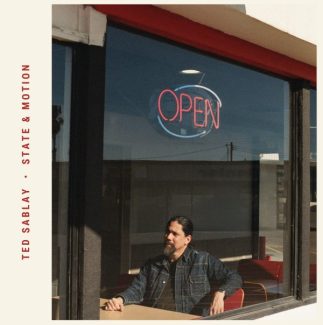

Ted Sablay, State & Motion. Longtime Killers guitarist and keyboardist Ted Sablay suffers no sophomore slump on this self-produced follow-up to You’ll Be Back Here Soon, his 2022 solo debut. On the contrary, while that earlier record was good, the new one is, well, a killer. Featuring upbeat, anthemic rockers such as “Lose Control” and “I Could Take You Somewhere,” which deliver abundant hooks and ringing guitars, the CD will likely win you over in seconds. Just don’t hold your breath waiting for a ballad.
The core band consists of Sablay on guitar and keys, plus drummer Pete Thomas of Elvis Costello’s Attractions and bassist Whynot Jansveld, who has performed with the Wallflowers and many other groups. Those three make a big sound by themselves, but Sablay’s exuberant self-penned rockers also benefit from contributions by nearly a dozen guest musicians who add more keyboards, guitar, and percussion, as well as sax and trumpet. Bravo to them all.

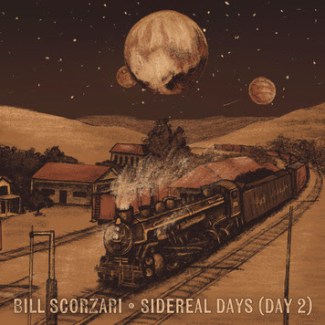
Bill Scorzari, Sidereal Days (Day 2). Like Sidereal Days (Day 1), which came out last October, this companion disc was entirely written and arranged by the New York–based Bill Scorzari and was produced by him and Neilson Hubbard. It adds to the already substantial evidence that the singer/songwriter is a one-of-a-kind, must-hear artist.
As this column has previously noted, his sandpapery vocals can make Dave Van Ronk sound like Frank Sinatra by comparison, and they might be a turnoff for some listeners. That said, this writer considers them a perfect fit for Scorzari’s earthy, poetic lyrics, which sometimes sound like journal entries and other times like remembered dreams. They also offer a perfect counterpoint to his richly textured music, which employs such instruments as violin, fiddle, dobro, flugelhorn, and trumpet.

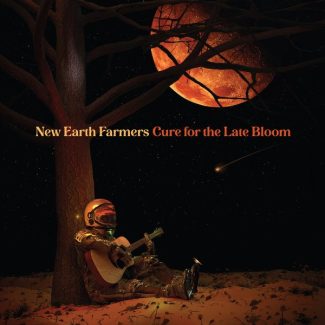
New Earth Farmers, Cure for the Late Bloom. Like its predecessors, this fourth studio album from the San Francisco–based New Earth Farmers offers catchy folk-rock that harkens back to late 1960s and early 1970s music. You might think of late-period Beatles (especially George Harrison), Paul Kantner’s Blows Against the Empire, and Electric Light Orchestra. World Party, another anachronistic outfit whose “Waiting Such a Long, Long Time” this group has covered, also appears to be a progenitor. So is Neil Young, whose “Borrowed Tune” is the only cover in this set.
Vocalist and multi-instrumentalist Paul Michael Knowles wrote the nine other tightly constructed tracks, which feature trippy music and psychedelia-influenced lyrics with existential themes. (“Look around, you’re not alone / The universe is here to chaperone,” goes one line.) While some of these songs would have fit the times in the late 1960s, several include observations on today’s world. “Hustle Is Dead,” for example, conveys anxiety about artificial intelligence, and “Morning” is about resilience in the aftermath of last year’s Los Angeles–area fires.

______________________
Jeff Burger’s website, byjeffburger.com, contains more than four decades’ worth of music reviews and commentary. His books include Dylan on Dylan: Interviews and Encounters, Lennon on Lennon: Conversations with John Lennon, Leonard Cohen on Leonard Cohen: Interviews and Encounters, and Springsteen on Springsteen: Interviews, Speeches, and Encounters.